Something between music and language
New year, new releases, new creative era
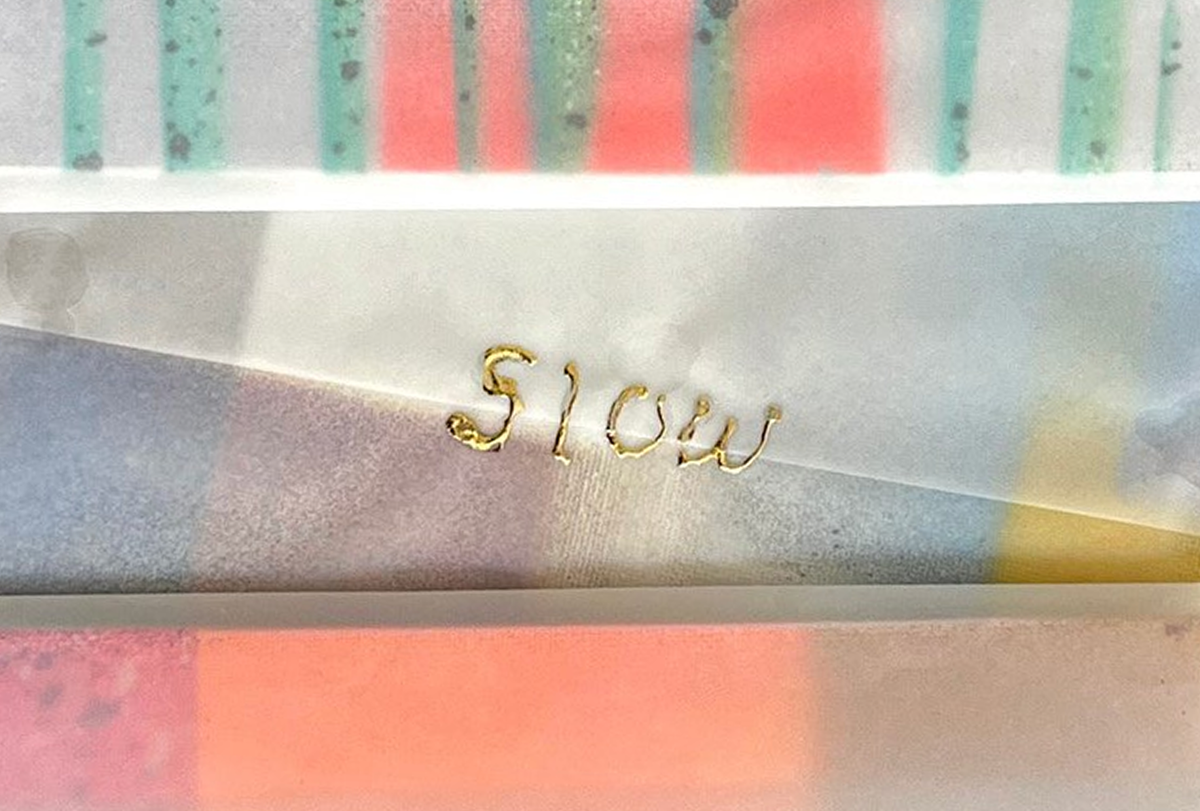
"Giving thirty minutes of your attention to something that is not urgent, not loud, and not passive, is rare now."
That's Bette A. in a conversation with Brian Eno about their new collaboration, "2 Slow Stories" — one of several standout releases landing on Metalabel this week. We also have Ari Melenciano's first "Cosmeage" artifact, a scholarly pamphlet on Skibidi Toilet, and AI-hallucinated ceramics from London. Plus the return of the New Creative Era podcast. Happy new year, friends. Let's get into it.
Q&A: Bette A. and Brian Eno on "2 Slow Stories"
This week our old friends Bette and Brian are back with a new release on Metalabel: a deep release that combines music, writing, and painting into a limited edition package that benefits two charities. We asked Bette and Brian to tell us more about the work. Here's what they had to say.
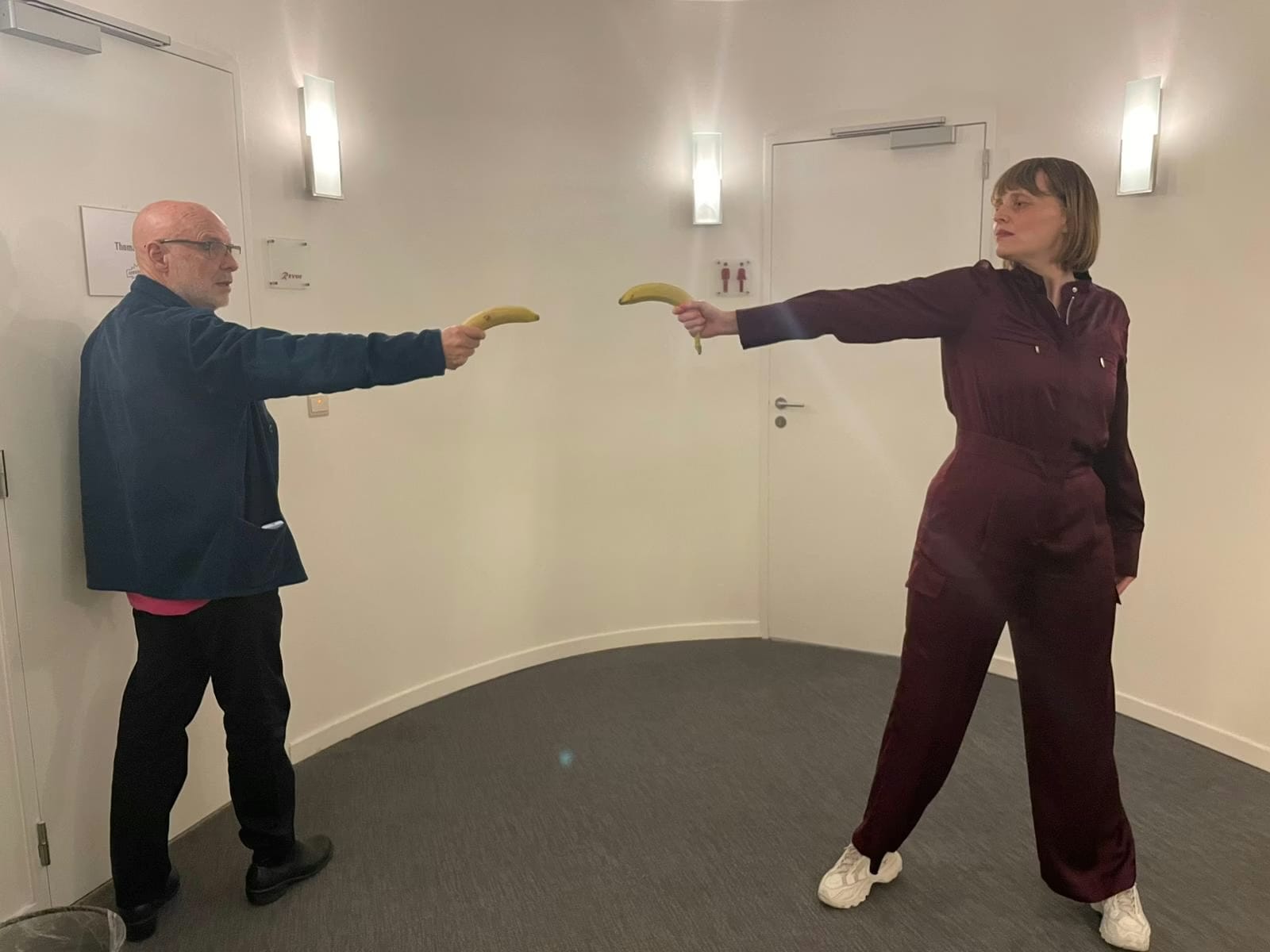
Q: What does "slowness" mean to you in this work?
Bette: These stories are twenty years in the making. As I slowly worked on them, rewriting from memory, they grew shorter. Strange details persisted and gained significance, while what once seemed like a central plot line disappeared. I ended up with stories that feel deeper than my ideas—simpler, more layered, more surprising. If I had finished them quickly, for a deadline or a purpose, these layers would never have surfaced.
Brian: Usually when we hear stories, we expect the pace of the reading to be fairly even. We expect the voice to fill most of the space. What we discovered is that leaving longer spaces gives your mind a chance to imagine the detail that is hinted at in the story. The music creates a suggestive atmosphere which supports you in doing that. Even though the amount of verbal detail is reduced, and there are quite long silences between sentences, your listening mind is quite fully engaged building the landscape of the story.
How would you name this art form?
Brian: We call these Slow Stories. A story that at normal reading speed would occupy perhaps eight minutes can last four times as long. The alternation between voice and music-filled silences creates a new kind of pace that is not very familiar in stories. This seems to me a rather new medium—something between music and language.
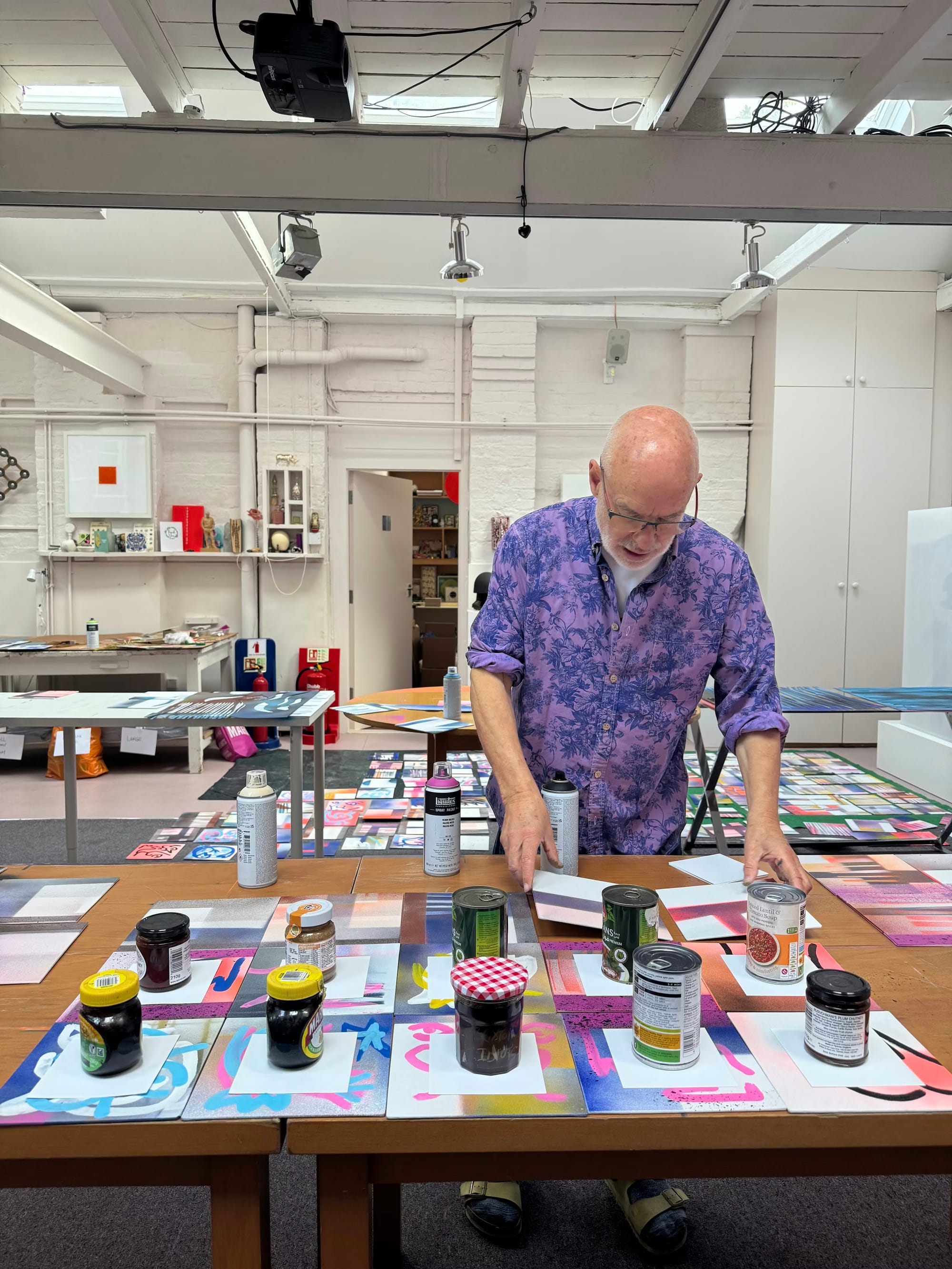
Why these particular stories?
Bette: The stories take place in strange worlds, in imaginary towns and villages from pasts that never happened and futures that will never occur. These worlds exist without elaborate background description, like islands in a misty sea. Brian's atmospheric music holds and surrounds these story-worlds.
Brian: These are stories that allow for something to happen inside you. "The Endless House" has a very good beginning: "A girl was born." "The Other Village" has a very gentle ending.
How does slowing down relate to how we experience life today?
Bette: In a time where everything is fast, fragmented, and designed to hold our attention, listening to one entire story—and doing it slowly—feels almost radical. Giving thirty minutes of your attention to something that is not urgent, not loud, and not passive, is rare now. That is why I like that the stories are on vinyl. Putting on a record is a physical gesture. It's a choice to engage with art.
Featured Releases
Brian Eno and Bette A. — "2 Slow Stories"
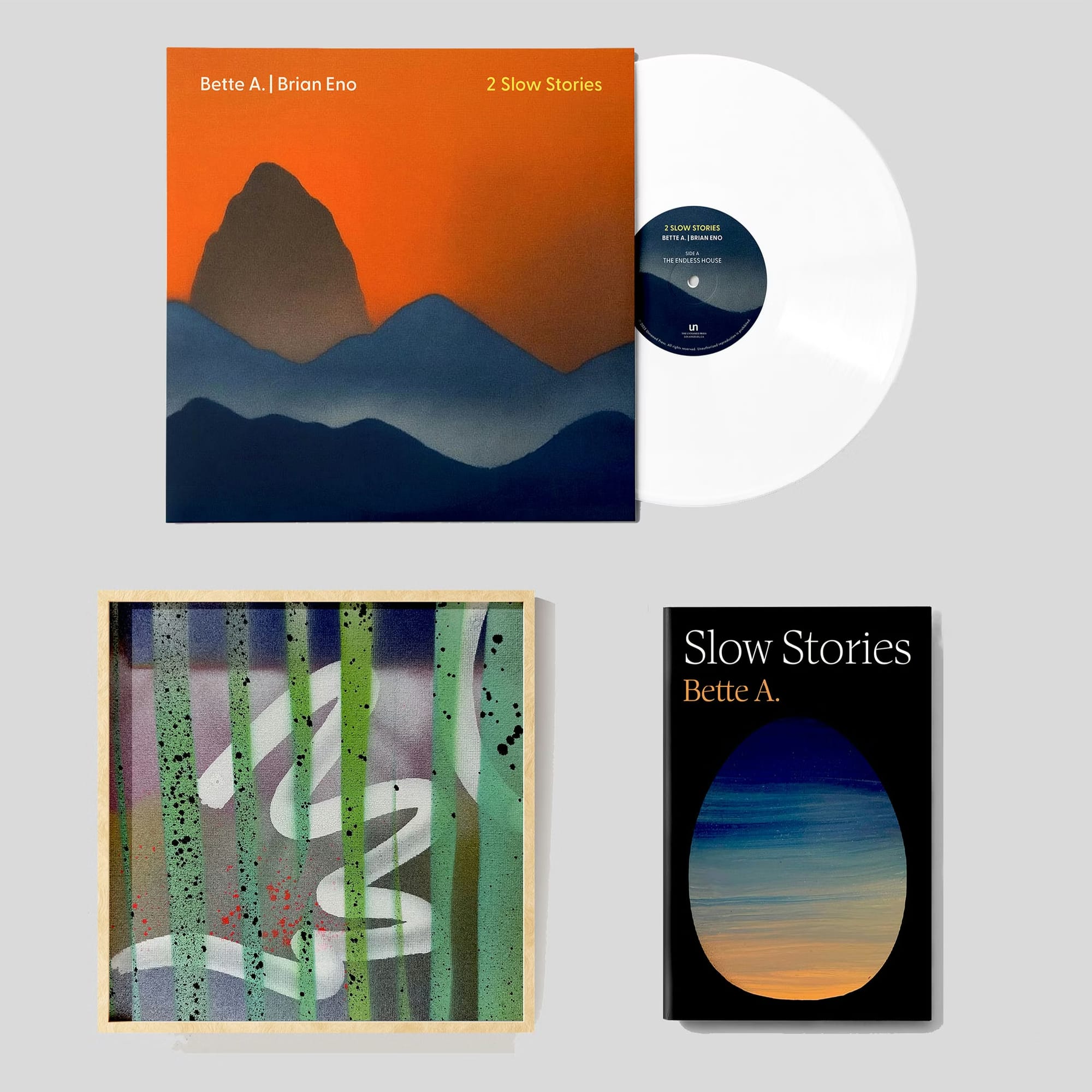
For their third Metalabel collaboration, artists Brian Eno and Bette A. have produced this multimedia work that curates a unique painting, book, and vinyl release into a multi-medium celebration of slowness. Limited to 444 pieces, with proceeds benefiting Earth Percent and The Heroines! Movement.
Ariciano — Cosmeage: A Study
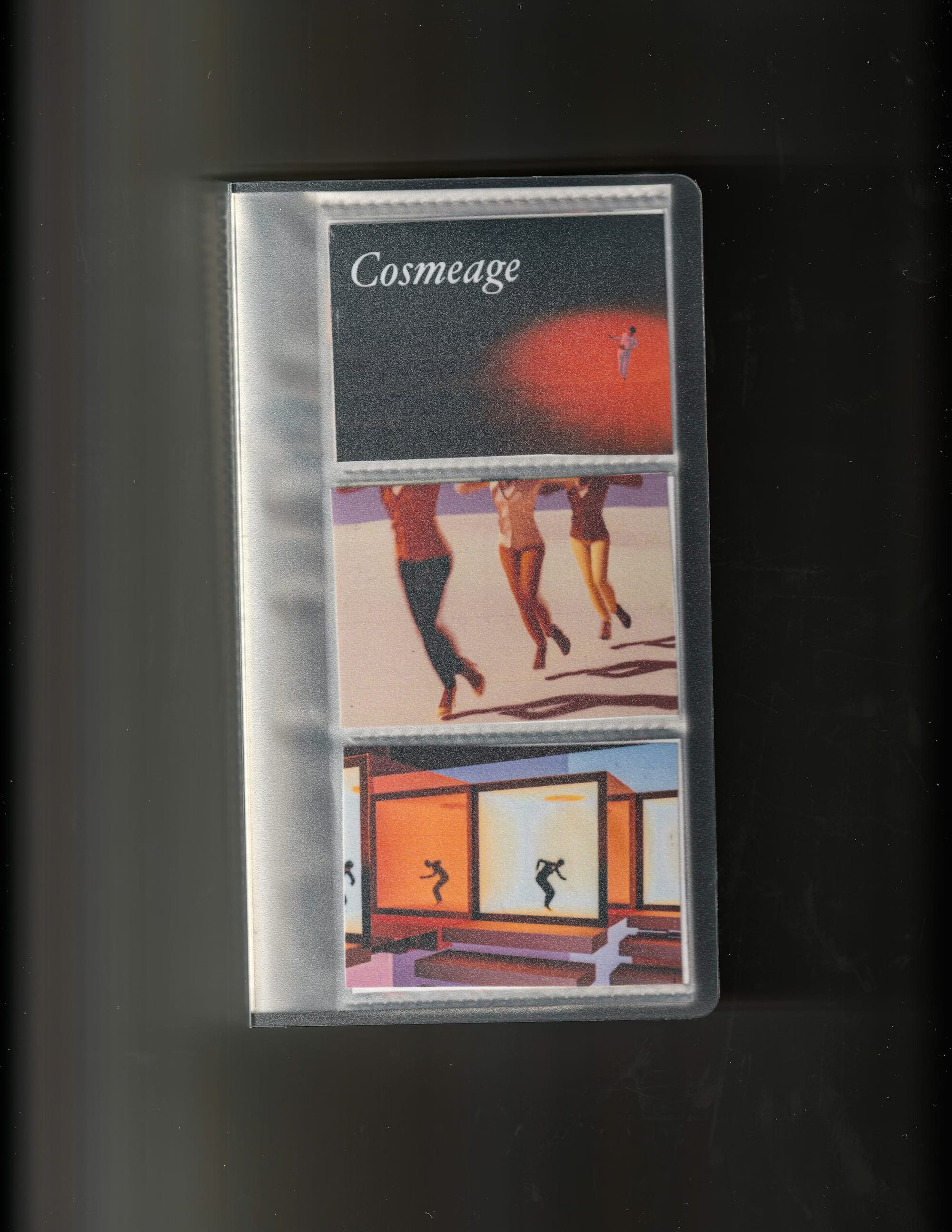
Ari Melenciano's Cosmeage has traveled from MoMA to the Bronx Museum to LA's Music Center, and now the first artifact from this project lands on Metalabel. The name is a portmanteau of cosmos and lineage rooted in the belief that our bodies hold memories beyond our own lived experience spanning ancestral lines. The film explores pan-African diasporic sound, Black cultural gestures, and embodied sensorial memory through motion-capture and 3D animation. Unique, deep, layered.
Aidan Walker — On Skibidi
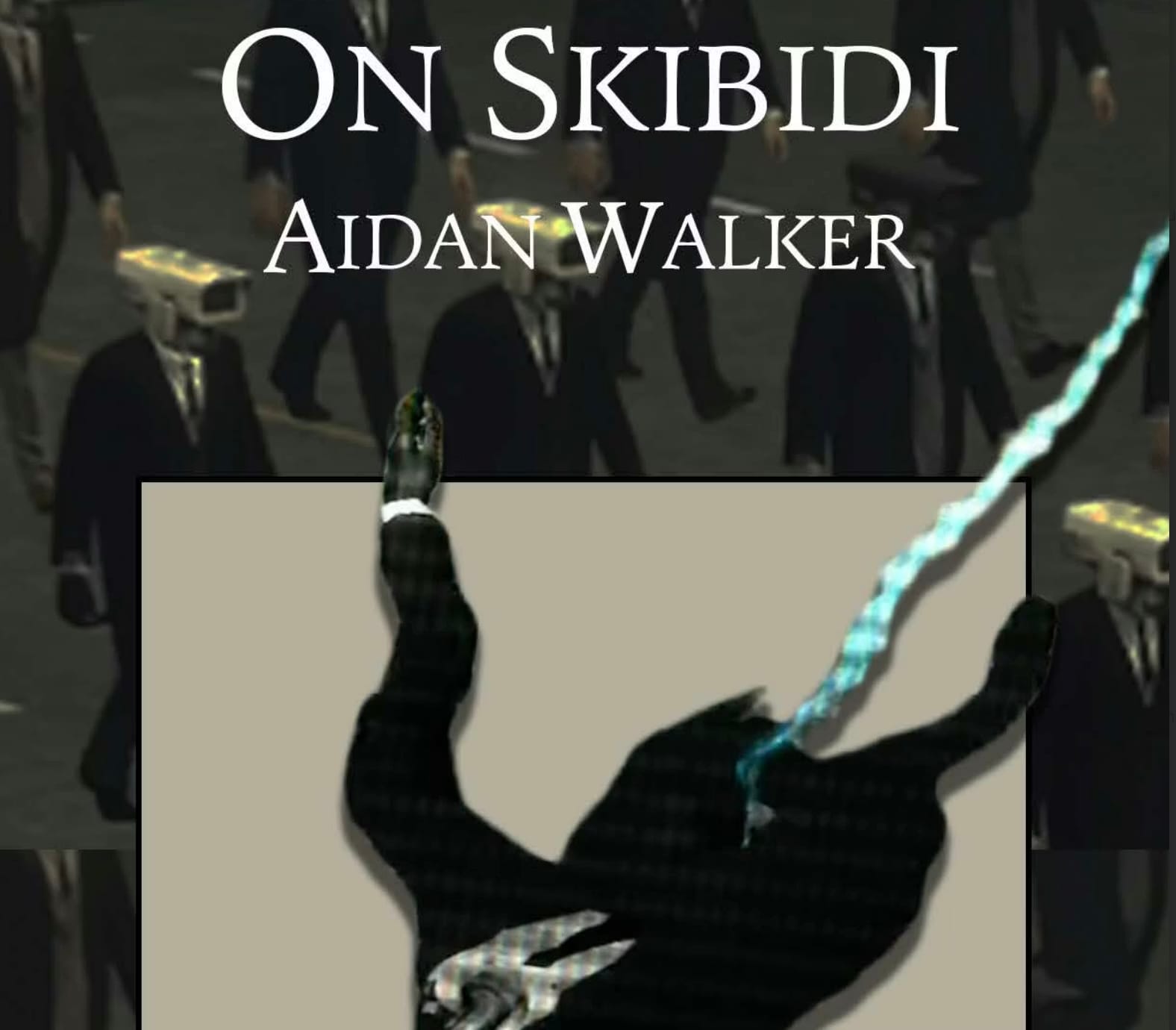
Aidan Walker is an internet culture researcher whose work has appeared on the BBC, Know Your Meme, and Hyperallergic, and who wrote what may be the first scholarly monograph on the Distracted Boyfriend meme. Now he's turned his attention to Skibidi Toilet — the YouTube Shorts series that's racked up billions of views and confused every adult who's encountered it. This pamphlet grew out of a TikTok series with 3M+ views, and it's the first in-depth critical examination of the phenomenon. Aidan grounds Skibidi within its historical moment and uses it to illuminate the uncanny configurations of self and screen that define digitality. Serious analysis of unserious things. PDF for $2.67, physical for $6.99.
Rory Cahill — Desire Path objects
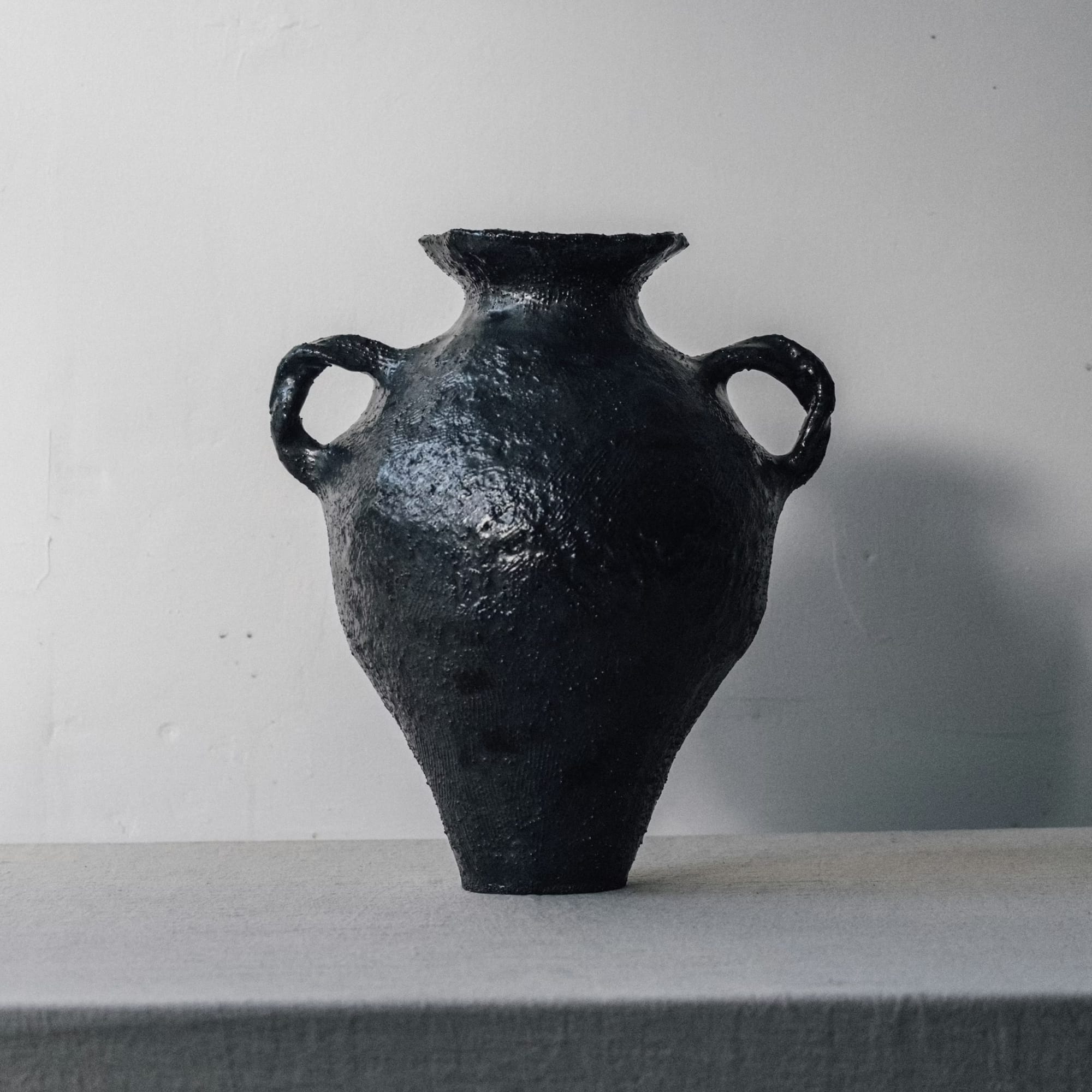
Rory Cahill's Desire Path is a series of ceramic objects that sit between the digital and the physical: AI-generated forms, hallucinated glyphs, and 3D-scanned statues brought into the real world through hand-building and 3D printing. Some pieces use image generation tools to create shapes that get hand-coiled or plotted in clay; others introduce randomness into the code to produce unexpected textures. The results look ancient and artificial, like artifacts from a timeline that hasn't happened yet. Objects range from $30 to $250, with free delivery in London.
Also of note:
- Lance Weiler — Last Human #004. An experiment in AI resistance, synthetic identity, and the horror of a world where reality no longer loads. Free to collect.
- Jourden Fenner — Loop & Pibble Plush Toys. A 20cm tall, kind of moody vampire. Limited run of 5.
- Joshua James & Jāzep Felkers — Quantum Fluke 01. A choose-your-own-adventure poetry zine. Pay what you want, starting at $11.11.
- Menas Gallery Chicago — /mæn-ʌs/ A Chicago Art Zine Volume II Issue 1. A celebration of the Chicago scene. Forty pages, eight bucks, free shipping.
New Creative Era: Ingroups and outgroups
Is curation actually about exclusion? In the latest episode of the New Creative Era podcast, Josh and Yancey explore one of the most uncomfortable questions in creative communities: drawing boundaries between who belongs and who doesn’t. What does a world where values are protected and explicitly shared look like? Listen on Apple, Spotify, or here in your browser:

Much more to come in what will be a significant year.
Peace and love,
Metalabel
Comments ()